SAN LEANDRO, CA, Jan. 15, 2026 (GLOBE NEWSWIRE) -- Disclaimer: This article is for informational purposes only and does not constitute medical advice. Always consult a qualified healthcare professional before starting any new supplement. Dietary supplements are not intended to diagnose, treat, cure, or prevent any disease. This article contains affiliate links. If you purchase through these links, a commission may be earned at no additional cost to you.
The phrase "Best Berberine Moringa NAD+ Patches" reflects common consumer search behavior observed in recent trends as interest in transdermal supplement delivery methods continues to expand. This article provides educational context on transdermal delivery technology, bioavailability considerations, and evaluation criteria consumers may find useful when researching this emerging supplement category.
View the current Patchie offer (official Patchie page)
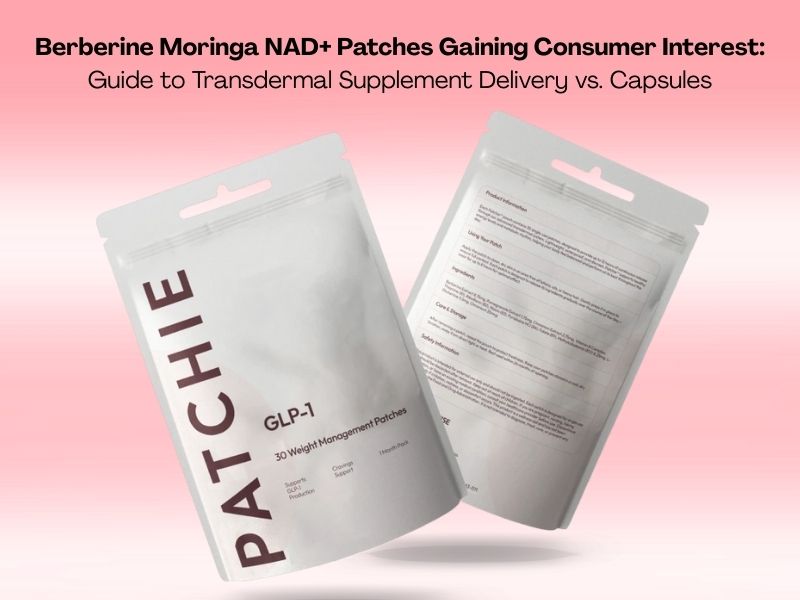
Why Transdermal Supplement Formats Are Entering Mainstream Consumer Awareness
The nutraceutical industry continues to evolve beyond traditional capsules, tablets, and powders. Transdermal delivery, once primarily associated with pharmaceutical applications like nicotine patches and hormone replacement, has expanded into the dietary supplement space as manufacturers explore alternative methods for delivering bioactive compounds.
Consumer interest in transdermal supplements appears driven by several factors that distinguish this delivery method from oral formats. Understanding these differences helps consumers evaluate whether patch-based supplements align with their individual needs and preferences.
The Science Behind Transdermal Delivery: What Research Indicates
Transdermal drug delivery has been studied for decades in pharmaceutical contexts. The fundamental principle involves delivering active compounds through the skin directly into systemic circulation, bypassing the gastrointestinal tract and first-pass hepatic metabolism.
Bioavailability Considerations
One factor prompting interest in transdermal delivery involves bioavailability. Certain compounds, when taken orally, undergo significant metabolism in the digestive system and liver before reaching systemic circulation. Published pharmacokinetic research indicates that orally administered berberine, for example, faces substantial first-pass metabolism that may affect the amount reaching target tissues.
Transdermal systems are designed to circumvent this metabolic pathway. However, the skin also presents its own barrier, the stratum corneum, which limits passive diffusion of many molecules. This has led to various technological approaches aimed at enhancing transdermal penetration.
Nano Microneedle Technology
Among the technologies emerging in transdermal supplement delivery, nano microneedle systems represent one approach manufacturers have adopted. These systems use microscopic projections designed to create temporary microchannels in the outer skin layer, potentially allowing larger molecules to bypass the stratum corneum barrier.
General research on microneedle technology in pharmaceutical and cosmetic applications has examined factors including needle length, dissolution characteristics, and delivery efficiency. However, clinical research specifically examining transdermal berberine delivery through microneedle patches remains more limited than oral administration studies.
Key Ingredients Appearing in Transdermal Supplement Formulations
Several bioactive compounds commonly appear in transdermal supplement patches marketed for metabolic support. The following reflects ingredient-level research context rather than finished product claims.
Berberine
Berberine is a bioactive alkaloid found in several plants, including goldenseal, barberry, and Oregon grape. Peer-reviewed research has examined berberine's potential effects on glucose metabolism, lipid profiles, and various cellular pathways. The majority of published human studies have examined oral berberine administration.
Moringa (Moringa oleifera)
Moringa leaf extract contains bioactive compounds including quercetin, chlorogenic acid, and isothiocyanates. Preliminary research has explored antioxidant properties and potential effects on metabolic markers, though human clinical data remains limited compared to preclinical investigations.
NAD+ Precursors
Nicotinamide adenine dinucleotide (NAD+) functions as a coenzyme in cellular energy metabolism and has generated significant research interest in longevity and cellular function contexts. Various NAD+ precursors, including NMN and NR, have been studied for their potential to support cellular NAD+ levels.
Supporting Botanical Compounds
Formulations in this category often include additional compounds such as curcumin, green tea extract, quercetin, and apple cider vinegar, each with varying levels of clinical evidence across different research applications.
Ingredient-level research helps explain why certain compounds appear in supplement formulations but does not predict outcomes from any specific finished product or delivery method.
How Consumers Can Evaluate Transdermal Supplement Options
For consumers researching transdermal supplements, several evaluation criteria may prove useful regardless of specific brand or formulation.
Delivery Technology Claims
Manufacturers may describe various transdermal technologies including passive diffusion patches, microneedle systems, or enhanced penetration formulations. Consumers should note that technology descriptions typically originate from manufacturers rather than independent verification.
Ingredient Transparency
Clear disclosure of active ingredients, amounts where provided, and sourcing information helps consumers make informed comparisons across products in this category.
Manufacturing Standards
GMP (Good Manufacturing Practice) certification indicates facilities meet certain quality standards. Consumers may wish to verify manufacturing claims and look for third-party testing disclosures when available.
Company Accessibility
Legitimate supplement companies typically provide clear contact information, customer service accessibility, and transparent return policies. Consumers should verify these elements before purchasing from any transdermal supplement provider. For example, transdermal supplement companies like Patchie (trypatchie.com) publish contact details and policy information on their official websites for consumer review.
Professional Consultation
Berberine and certain other compounds may interact with medications, including those metabolized by cytochrome P450 enzymes. Consumers taking prescription medications should consult healthcare providers before adding any berberine-containing supplement in any delivery format.
Transdermal vs. Oral Supplements: Consumer Evaluation Framework
Neither delivery method is inherently superior. Individual circumstances, preferences, and physiological factors should guide supplementation decisions.
Considerations Favoring Transdermal Formats
Some individuals report gastrointestinal sensitivity with oral supplements, making transdermal delivery an alternative worth exploring. Extended-release characteristics may appeal to consumers preferring sustained delivery over bolus dosing. Combination formulations delivered through a single patch may simplify routines for some users.
Considerations Favoring Oral Formats
Oral supplements have a longer research history with more established dosing protocols. Cost-per-serving calculations may differ between delivery formats. Capsules and powders typically offer more flexibility in dose adjustment compared to pre-set patch formulations.
Questions for Healthcare Provider Discussions
Consumers exploring this category may wish to discuss several questions with qualified healthcare professionals: appropriateness of berberine supplementation given individual health status, potential interactions with current medications, realistic expectations regarding any supplement format, and how to evaluate manufacturer claims critically.
Market Context: Transdermal Supplements as an Emerging Category
The transdermal supplement market represents a growing segment within the broader nutraceutical industry. Various manufacturers have entered this space with products targeting metabolic support, energy, sleep, and other wellness applications.
Consumers researching "best berberine moringa NAD+ patches" will encounter multiple products in the marketplace, including options like Patchie (trypatchie.com) and other transdermal formulations. As with any emerging supplement category, consumers benefit from conducting thorough research, comparing multiple options, verifying company credentials, and consulting healthcare professionals before making purchasing decisions.
Product-specific information, pricing, and policies vary by manufacturer and change over time. Consumers should verify current details directly with any company under consideration.
Consumer Research Summary
Interest in transdermal berberine delivery reflects broader consumer exploration of alternative supplement formats. Patch-based systems represent one category within the expanding transdermal supplement market.
Suitability of any supplement depends on individual health factors, goals, and professional medical guidance. Research on individual ingredients provides context for understanding supplement formulations but does not guarantee equivalent effects in finished products regardless of delivery method.
Consumers are encouraged to evaluate multiple options, verify manufacturer claims independently, consult qualified healthcare professionals, and review current pricing and policies directly with companies before making decisions. Those interested in exploring the transdermal berberine category further can review manufacturer information from companies such as Patchie (trypatchie.com) and compare across available options.
Disclaimers
FDA Health Disclaimer: These statements have not been evaluated by the Food and Drug Administration. Dietary supplement products are not intended to diagnose, treat, cure, or prevent any disease. Always consult your physician before starting any new supplement, especially if you have existing health conditions, take medications, or are pregnant or nursing.
Professional Medical Disclaimer: This article is educational and does not constitute medical advice. If you are currently taking medications, have existing health conditions, are pregnant or nursing, or are considering changes to your health regimen, consult your physician before starting any new supplement. Do not change, adjust, or discontinue any medications or prescribed treatments without your physician's guidance.
Results May Vary: Individual responses to supplementation vary based on factors including age, baseline health, lifestyle factors, consistency of use, genetic factors, current medications, and other variables. This report does not guarantee or predict outcomes from any supplement use.
Publisher Responsibility Disclaimer: The publisher has made every effort to ensure accuracy based on publicly available information. We do not accept responsibility for errors, omissions, or outcomes resulting from information provided. Readers are encouraged to verify details directly with manufacturers and healthcare providers before making decisions.
Ingredient Interaction Warning: Berberine may interact with certain medications, including those metabolized by cytochrome P450 enzymes. Consult your healthcare provider before starting any berberine-containing supplement, especially if you take prescription medications.
Company Contact (Per Public Website): Patchie 1777 Abram Ct #1681 San Leandro, CA 94577 Email: contact@trypatchie.com Phone: (888) 863-1171 Support Hours: Monday–Friday, 9am–5pm PST

Email: contact@trypatchie.com
Phone: (888) 863-1171
