
M&M Water Well Service Highlights Critical Water Quality Monitoring for Southern Oklahoma Homeowners
Healdton, United States - January 12, 2026 / M&M Water Well Service /
Healdton Water Well Contractor Advocates for Regular Water Quality Testing
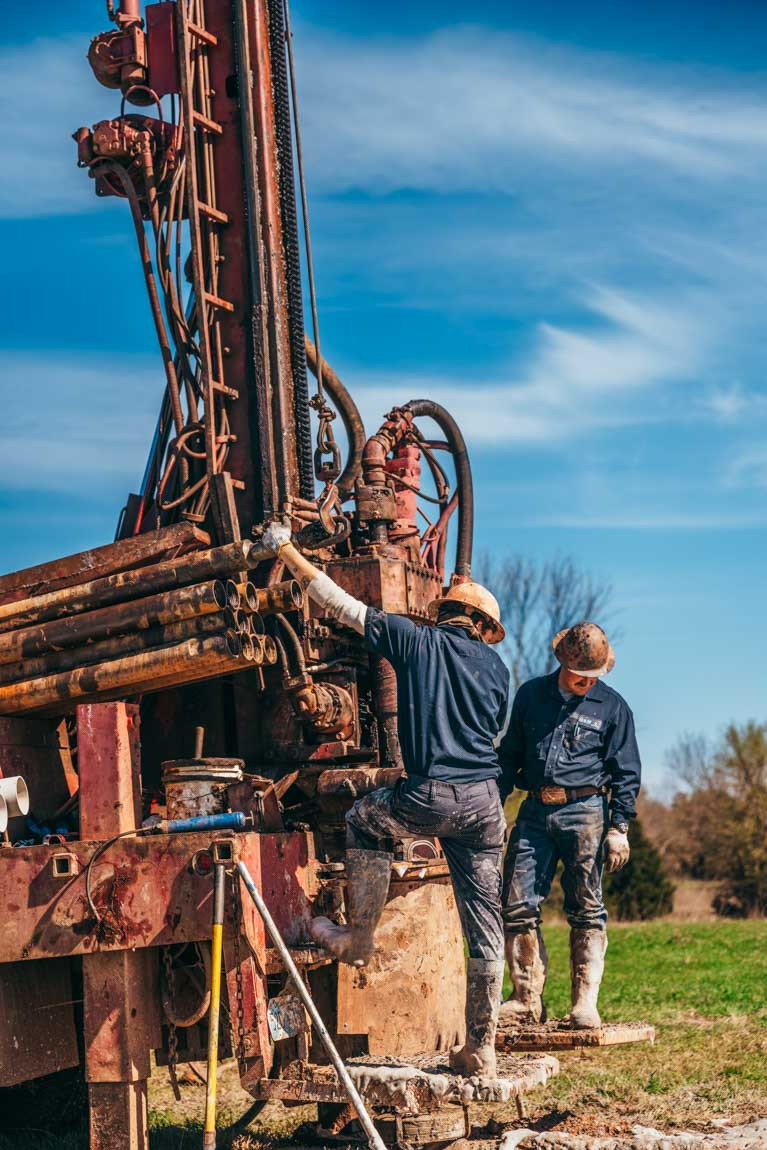
M&M Water Well Service, a trusted Healdton water well contractor serving southern Oklahoma, continues to educate property owners about essential water quality monitoring practices that protect families and preserve well system performance. The company emphasizes that annual testing represents a fundamental responsibility for private well owners throughout Carter County and surrounding regions.

Understanding Private Well Ownership Responsibilities
Private water wells differ significantly from municipal water systems because property owners bear full responsibility for water quality monitoring. Unlike public water supplies regulated by governmental agencies, private wells require proactive testing schedules to identify potential contaminants invisible to the naked eye. Testing detects bacteria, nitrates, minerals, and chemical compounds that may compromise water safety or equipment performance. The Environmental Protection Agency establishes federal guidelines for water quality standards, though enforcement responsibility rests with individual well owners who must arrange professional laboratory analysis through state-certified facilities.
Essential Testing Frequency and Parameters
Annual testing protocols should include coliform bacteria and nitrate analysis at minimum, with expanded testing every three years for pH levels, total dissolved solids, and contaminants related to nearby land use activities. Properties located near agricultural operations, industrial facilities, or areas experiencing significant development may require semi-annual testing frequencies to monitor changing groundwater conditions. Shallow wells measuring less than 100 feet deep warrant twice-yearly testing because of increased vulnerability to surface contamination. Testing should also occur immediately following flooding events, pump repairs, or noticeable changes in water taste, color, or odor that signal potential groundwater contamination issues.
Comprehensive Well System Inspections
Professional well inspections extend beyond water quality testing to evaluate mechanical components, structural integrity, and operational performance. Annual inspections examine wellhead condition, pump functionality, pressure tank operation, and electrical systems to identify developing problems before equipment failure occurs. Technicians measure specific capacity by calculating pumping rates against drawdown depths, with performance decreases exceeding 25 percent indicating rehabilitation needs. Delayed maintenance significantly increases repair costs and may render wells unrepairable. Comprehensive inspections every decade verify proper well construction, casing integrity, and sanitary sealing that prevents contamination from surface water infiltration through proper well construction standards.
Regional Water Quality Considerations
Southern Oklahoma's geological characteristics create specific water quality challenges requiring localized expertise and testing protocols. The region's soil composition, aquifer depth variations, and historical land use patterns influence groundwater vulnerability to contamination. Properties situated in areas with clay-heavy soils experience slower aquifer recharge rates that can concentrate certain minerals and pollutants over time. Conversely, sandy soil conditions allow faster contaminant migration toward water tables. Understanding these regional factors helps well contractors recommend appropriate protective measures, optimal drilling depths, and customized water filtration solutions tailored to local groundwater characteristics.

Protecting Long-Term Well Performance
Preventive maintenance extends well system lifespan while protecting water quality through consistent monitoring schedules, proper wellhead protection, and strategic property management around well locations. Property owners should maintain 100-foot separation distances between wells and potential contamination sources including septic systems, chemical storage areas, livestock operations, and fuel tanks. Proper wellhead elevation, secure sanitary caps, and adequate drainage slope prevent surface water infiltration during precipitation events. Regular maintenance records documenting testing results, repair history, and system performance provide valuable baselines for detecting gradual changes requiring intervention. Professional contractors specializing in water well systems deliver expertise ensuring optimal protection for this critical resource.
Contact Information:
M&M Water Well Service
1814 Buck Horn Rd.
Healdton, OK 73438
United States
M&M Water Well Service
https://mmwaterwellservice.com/
